Why smart capital is moving to the “North of the South”
A decade ago, investors who bought land in Assagao or Siolim were called “brave.” Today, they are called “millionaires.”
But as North Goa approaches saturation – with skyrocketing land prices and tightening inventory – the tide of opportunity has shifted. A massive movement of smart capital is happening just across the border, and it’s being fueled by a single, powerful catalyst.
It’s called The Mopa Effect.
If you aren’t actively analyzing this emerging corridor in the Sindhudurg region, you are potentially missing the next great Indian land rush. Here is why the “North of the South” is the smartest investment hedge for 2026.
1. The Catalyst: Infrastructure as a Driver of Value
For years, the stunning virgin coastlines of Sindhudurg (Maharashtrian Konkan) remained untouched, protected by their accessibility. A 2-hour journey from the old Goa airport kept the area hidden.
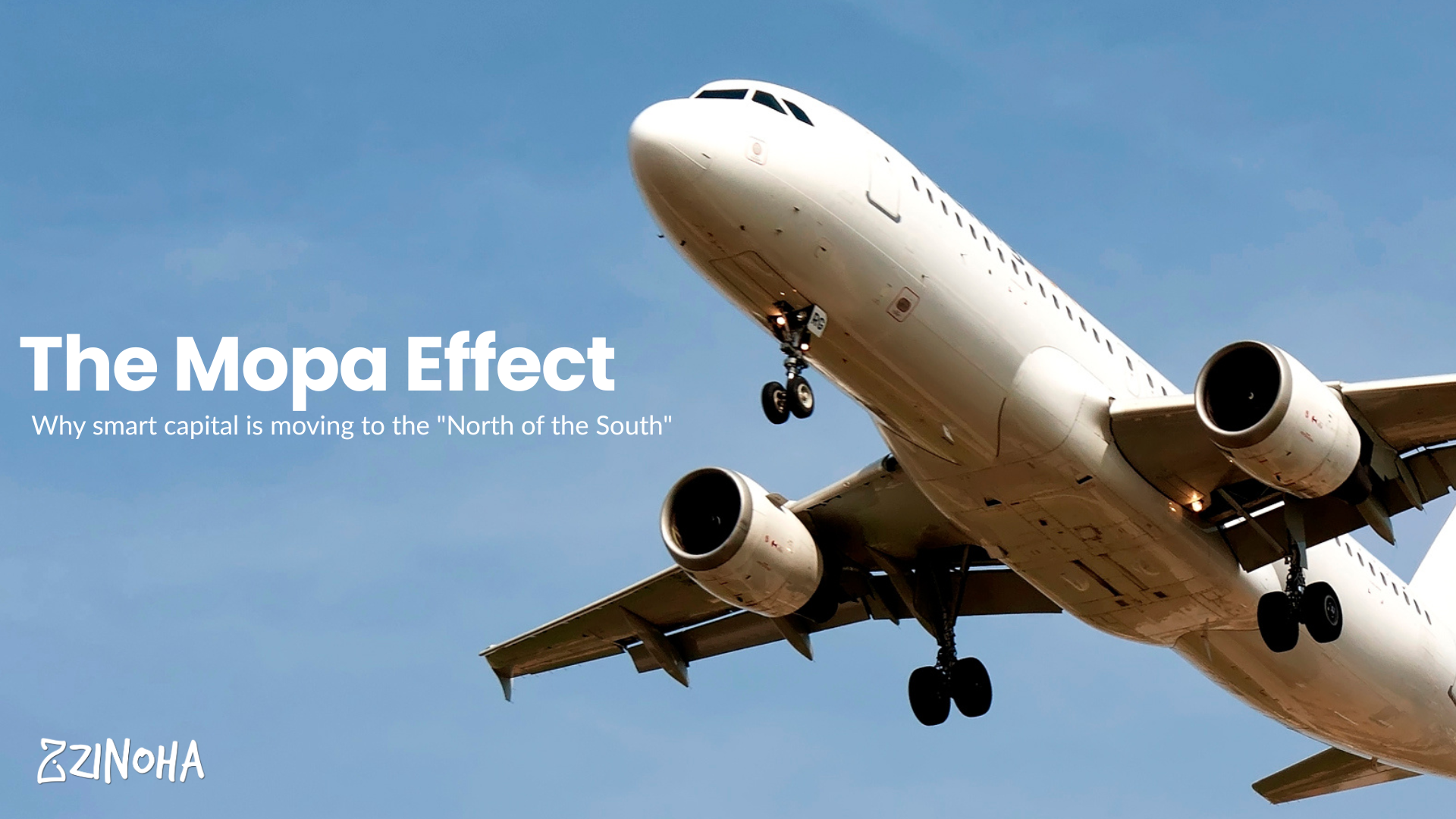
The Mopa (Manohar International Airport) didn’t just add a runway; it broke that access barrier.
Mopa is more than an airport; it’s an economic engine. Its operations have dramatically slashed travel times. We are now seeing high-potential coastal sites that are just a 25 to 45-minute drive from the terminal. When you couple this with the NH-66 expansion and the developing Coastal Highway, accessibility is no longer a luxury; it’s a reality. At Zinoha, we’ve seen infrastructure turn “remote” locations into “prime” suburbs virtually overnight.
2. The Price Arbitrage: 10x Potential vs. 2x Stability
The investment logic here is raw data. North Goa, particularly the popular coastal belt, has reached stabilization. While it still offers good rental yields, the days of exponential capital appreciation (the 5x or 10x journey) are largely over. Entry costs are extremely high.
Sindhudurg presents a massive valuation gap.
You are seeing land prices that are sometimes a fifth of the price of similar coastal land just 30 minutes south. This price arbitrage is the real opportunity. You are entering a market at the beginning of its upward J-curve, rather than at the peak.
The luxury market is already correcting itself; high-net-worth buyers who want large, serene, sea-facing plots (like our seabaé community) are choosing Sindhudurg over a smaller, noisier plot in North Goa, simply because their investment goes much, much further.
3. The Lifestyle: Nature as an Amenity
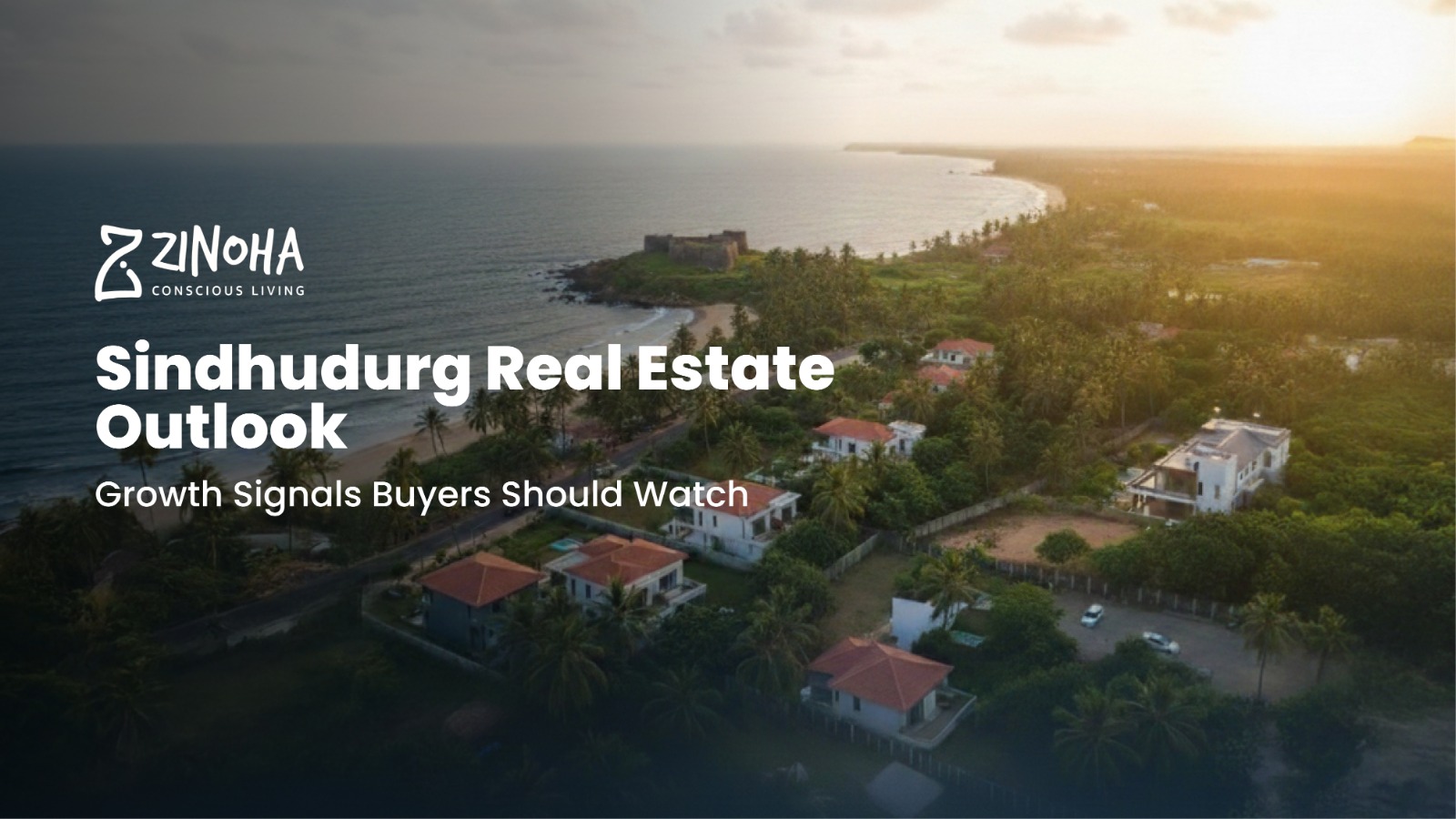
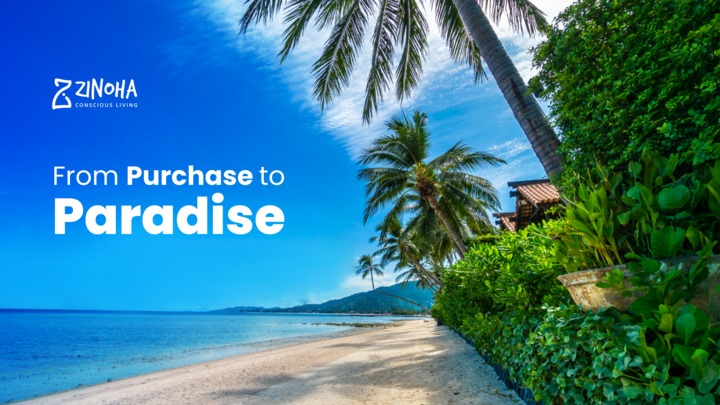
The appeal of Sindhudurg isn’t just about arbitrage; it’s about what you get for that value. This region offers a chance to own a piece of untouched nature – cliffs, clean white-sand beaches, and lush greenery – that has been preserved from over-commercialization.
This is where the Zinoha philosophy of “Experiential Living” thrives.
Post-pandemic, the luxury asset class has shifted. Buyers are not just looking for a secure investment; they are looking for a place that offers peace, purpose, and connection to nature. They are looking for a legacy, not a liability.
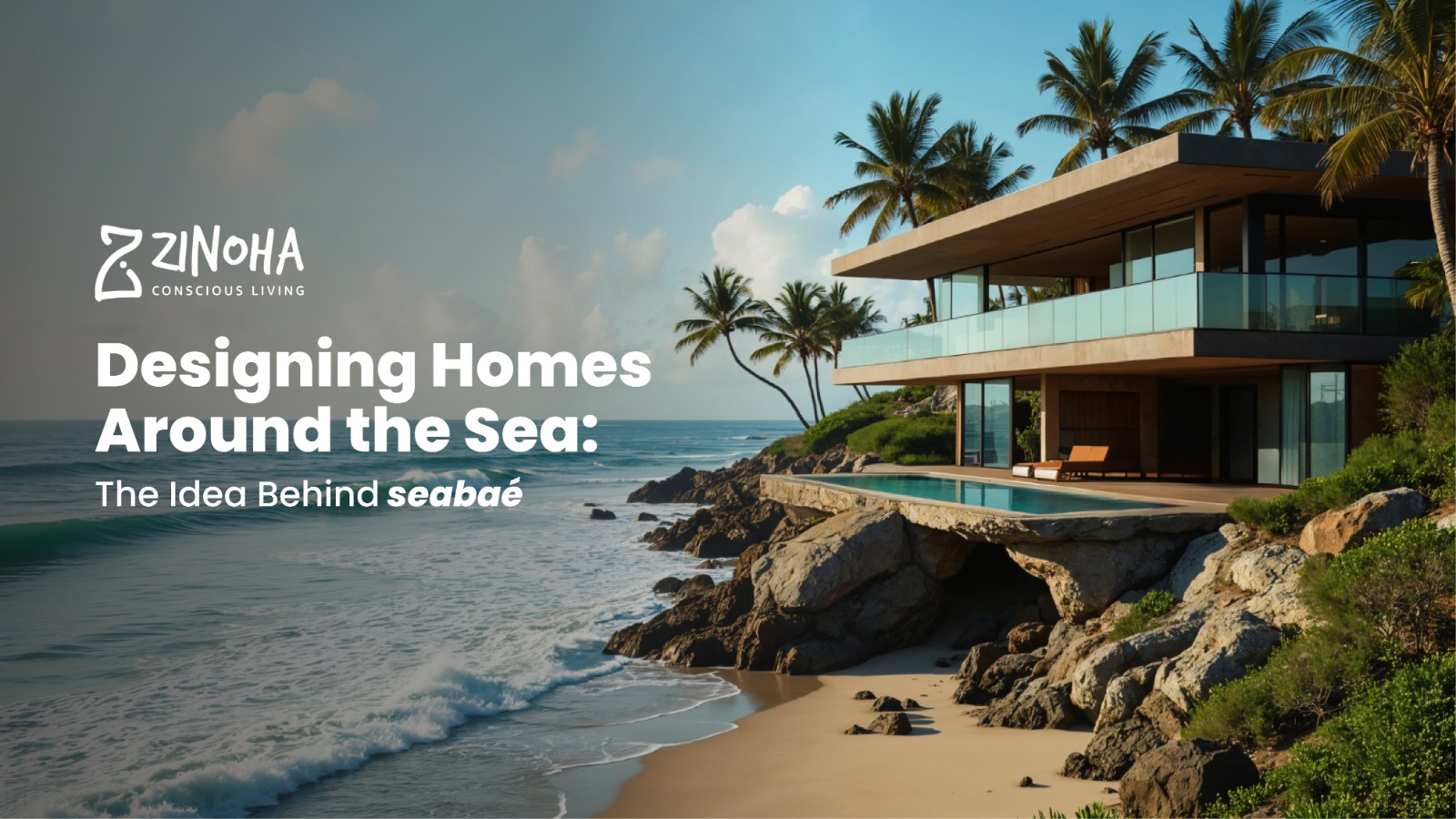
Sindhudurg provides the perfect canvas for “Conscious Living” communities. We are focusing on “No Boundary” designs that integrate with, rather than replace, the natural ecosystem.
The Final Take: The Window is Closing
The pattern is familiar: Infrastructure leads, investment follows, and then commercial density takes over. We are currently in the most lucrative window – infrastructure is here, but commercial saturation is not.
The window to secure these early-entry capital gains won’t remain open indefinitely. As the hospitality majors and institutional developers (many of whom are already land-banking) break ground, the valuation gap will close rapidly.
Conclusion
My advice? Look beyond the familiar. The smart capital is already moving north of the Goa border.
What are your thoughts on infrastructure-led real estate booms? Have you explored the Sindhudurg corridor yet?